100% Secure delivery without contacting the courier
 admin@onlinesleepaid.com
100% Secure delivery without contacting the courier
admin@onlinesleepaid.com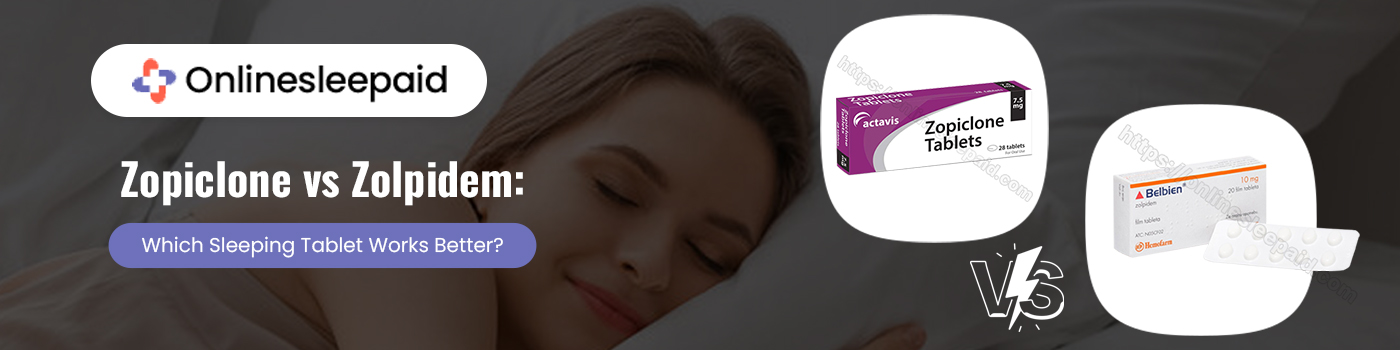
Millions of people worldwide, including a large population of adults in the UK are affected by sleep disorders. When sleep hygiene strategies and lifestyle changes can no longer improve your sleep, healthcare experts may prescribe you some sleep medications. Commonly prescribed are the 'Z-drugs' that include zopiclone and zolpidem.
If you are trying to learn about zopiclone and zolpidem, you may want to understand which works better, how they differ from each other, and which one is usually prescribed. Both medicines are effective for short-term (acute) insomnia, their mechanism of actions, effects, and side-effects differ.
To help explain these, this blog highlights the mechanism of action, duration of action, side effects, and prescribing practices of both these commonly prescribed medicines.
Both zopiclone and zolpidem belong to a class of medication known as non-benzodiazepine hypnotics or 'Z-drugs.' They are used to treat short-term insomnia in cases when symptoms become severe and start significantly affecting the daily life.
Though they are different from benzodiazepines, they act on similar kind of brain receptors to enhance sleep. Healthcare professionals generally recommend these medicines to be used for short periods only (usually up to 2-4 weeks), because of the risk of dependence and side effects.
These are specifically prescribed when non-pharmacological methods such as improving sleep hygiene, stress management, or cognitive behavioural therapy for insomnia have not been effective.
They function by increasing the action of gamma-aminobutyric acid (GABA), a neurotransmitter that induces relaxation and reduces brain activity. They bind to specific subtypes of the GABA-A receptor complex and produce sedative effects to help make you fall asleep.
Themechanism of action of zopiclone and zolpidemare similar but not the same due to which doctors may choose one drug over the other based on the patient's specific sleep problem.
The differences between the duration of actionof these drugs is one of the most important differences in their comparison.
This difference affects how the medications are used. Research suggests that:
Longer durations, however, may also raise the risk of zopiclone-related drowsiness the next day.
Clinical studies suggest that both medications show similar effects in cases of short-term insomnia, i.e., improving sleep onset and overall sleep quality.
Comparative clinical trials have shown that zolpidem is at least as effective as zopiclone in improving insomnia symptoms, with some evidences suggesting that zolpidem may reduce the time taken to fall asleep slightly more.
However, the choice between depends on the type of insomnia:
Hence, none of them is universally considered as the best sleeping tablet rather, the choice is based on patient's medical history and symptoms.
Since, most sedative medicines affect the central nervous system, most adverse effects are related to sleepiness or impaired cognition. Both of these may also cause next-day sedation especially if taken in higher doses or in older adults.
Common side effects include:
There are also some differences between the two drugs.
They also carry a risk of dependence or tolerance, because of which, clinical guidance generally recommends these only for short-term treatment.
The choice between zopiclone and zolpidem in clinical practice depends on a number of variables, such as:
Many UK prescribing guidelines recommends zopiclone as the first line Z-drug and zolpidem may be considered in patients who cannot tolerate zopiclone well.
Health experts also exercise caution while prescribing these to older adults as they may increase the risk of falls, confusion, and daytime sleepiness. Hence, professional usually recommends:
Many people searching for best sleeping tabletsoften search about zopiclone or zolpidem. Though these drugs may be effective for short-term insomnia, they are not the first line treatment solution.
Major clinical guidelines highlight the use of non-pharmacological treatments such as CBT to be tried before any medication to improve sleep quality.
Sleep medications may help in severe or exaggerated cases which are worsened by stress, chronic illness, or emotional events, a long-term reliability of them is often discouraged.
When comparing zopiclone vs zolpidem, they belong to the same class of drugs and work by enhancing the activity of GABA in the brain to promote sleep and are effective for short-term treatments of insomnia.
Despite the similarities, these medications differ somewhat in the duration of action and side effects they cause. Zolpidem usually acts faster and has a shorter half-life which makes it a choice of drug for patients experiencing difficulty in falling asleep. Zopiclone as a longer duration and may benefit those having difficulty in staying asleep and experience frequent nighttime awakenings.
Neither medication is universally considered as the best sleeping tablet.The choice depends on individual case history. Due to potential for dependence and side effects these are generally prescribed for short-term use and are combined with lifestyle changes and strategies that support healthy sleep.
Medical Disclaimer:
The information provided on this page is for educational purposes only and does not replace professional medical advice. Always consult a qualified healthcare professional before starting or stopping any medication.