100% Secure delivery without contacting the courier
 admin@onlinesleepaid.com
100% Secure delivery without contacting the courier
admin@onlinesleepaid.comPainkillers, also known as analgesics, are medicines designed to alleviate or manage pain. These medicines can help relieve acute and chronic pain when used appropriately. Various forms of painkillers range from the mildest over-the-counter pain reliever to the prescription opioid pain medicines that may only be acquired if prescribed by a doctor. To be sure, one must understand how they act, the types of painkillers available in the UK, and how they should be used safely and effectively.
Painkillers (analgesics) work by relieving pain through different mechanisms that target the body's pain pathways. Different pain medicines work in different ways. Some reduce inflammation, while others alter how pain signals are processed in the brain and nervous system.
In addition to reducing pain, some painkillers may also reduce inflammation which is often a very important source of pain. Symptomatic pain relief can help people recover more comfortably and improve their ability to perform daily activities. Here are some of the ways different painkillers help relieve pain:
Many painkillers, such as opioids, are meant to block the pain signals moving across the nervous system. These medicines bind to opioid receptors in the brain and spinal cord, reducing the perception of pain.
Nonsteroidal anti-inflammatory drugs (NSAIDs) help reduce inflammation, a common cause of pain. By targeting the enzymes responsible for inflammation, these medications alleviate swelling and discomfort effectively.
For pain caused by muscle tension, muscle relaxants can ease spasms and promote relaxation. Muscle relaxants may be prescribed for certain musculoskeletal conditions involving muscle spasms.
Some antidepressants that affect serotonin and norepinephrine may be prescribed for certain chronic pain conditions. Drugs that increase the amount of serotonin available in the brain are used to ease the sense of unease associated with chronic pain.
Pain is a big barrier to sleep, leading to more pain and tiredness. Some pain medicines that can work as mild sedatives or calming agents help people sleep better by dampening down the pain and helping promote restful sleep in people whose pain interferes with sleep.
The pain relief medicines usually aim at a certain pain type. Certain pain medicines are designed to treat specific types of pain. For example, neuropathic pain caused by nerve damage may be treated with medicines such as gabapentin or pregabalin.
Here are the most common types of painkillers:
Paracetamol and NSAIDs like ibuprofen.
These drugs, like paracetamol or nonsteroidal inflammatory drugs, are useful in mild to moderate pain and inflammation.
Examples of such medications are codeine, morphine, and tramadol.
Indicated to properly manage severe pain or chronic pain after trying non-opioid medications.
A combination of two pain medications together, like paracetamol and codeine, is the compound pain medication.
These are the right alternatives when a single agent fails.
The importance of painkillers goes a long way when it comes to the proper treatment. How they specifically target damage and the ways they act on acute, intense pain (or chronic pain) create a positive effect on overall well-being. Here are the major benefits of these sorts of medications:
Some painkillers provide rapid relief, while others may take longer to become effective, whether you're experiencing mild, moderate, or severe pain. Right from a simple headache to intense post-operative pain, the right pain killer meds can rapidly reduce symptoms, helping you return to your daily activities without prolonged suffering.
For individuals dealing with chronic pain conditions such as arthritis or fibromyalgia, pain relief medicine allows them to regain mobility and function. With pain medication back in their lives, they nevertheless improve mobility and daily functioning.
Certain painkillers, such as those designed for nerve pain, offer specialized solutions for specific conditions. For instance, the medications commonly prescribed for certain types of nerve pain focus on easing nerve-related discomfort caused by conditions like sciatica or diabetic neuropathy. This indicates an exception to various general-purpose OTC things aimed at the same conditions, with precise concern to targeting pain relief.
Here are some of the most commonly used painkillers in the UK:
Pregabalin: It is a prescription medicine used to treat certain types of neuropathic (nerve) pain, epilepsy, and generalized anxiety disorder in some patients.
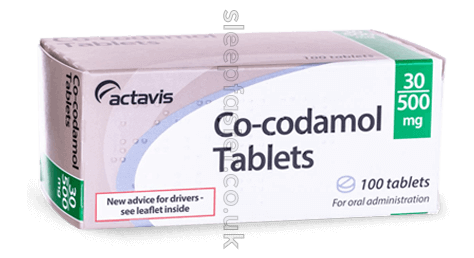
Co-codamol: Co-codamol is a combination of paracetamol and codeine used to relieve moderate pain.
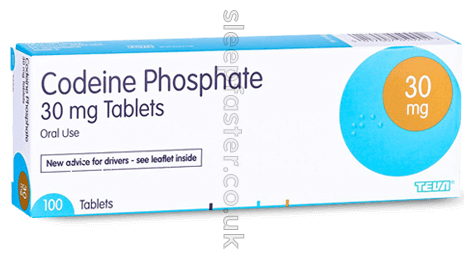
Codeine: Codeine is a mild opioid used for moderate pain and cough suppression.
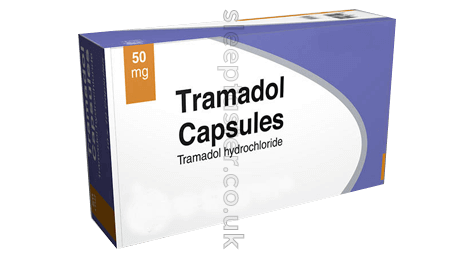
Tramadol: Tramadol is a prescription opioid that is generally reserved for moderate to severe pain when other pain relief options are not suitable.
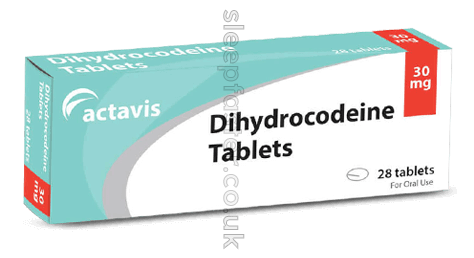
Dihydrocodeine: Dihydrocodeine is an opioid pain medicine used to treat moderate to severe pain.
Zolpidem: Zolpidem through prescription strength is a more powerful NSAID available for inflammation and sustainable pain relief.
Gabapentin: Gabapentin is commonly prescribed for certain types of nerve pain.
Using painkillers UK is generally safe. It is important to use these medicines exactly as directed. Below are some essential safety guidelines for using strong pain relief medicines:
Follow Your Doctor's Instructions: The individual needs to follow the recommended frequency and dosage on the prescription of your health care provider. Taking less or more than the prescribed dose can lead to compromised efficacy of the drug or bring about unpleasant side effects.
Avoid Mixing Medications: Some pain medicines may interact with sedatives, anti-anxiety medicines, alcohol, or other prescription drugs. Always consult a healthcare professional before combining medications.
Schedule Regular Check-Ins with Your Doctor: Make it a habit to check with your doctor at particular times to review progress and decide the next necessary steps. This will help to keep new developments to be accounted for in medication.
Pregnancy warning: If you are pregnant, breastfeeding, or planning a pregnancy, speak to a healthcare professional before taking any pain medicine.
Children's warning: Not all pain medicines are suitable for children. Always follow age-specific dosing instructions and seek medical advice when needed.
Discontinue Gradually: If you need to stop taking a pain killer tablet, do so under medical supervision. If these medications are abruptly discontinued, it can cause withdrawal symptoms or a return of pain symptoms.
Pain killer tablets may have some common side effects, such as:
Many painkillers, i.e., the stronger ones, like opioids, can get you drowsy or tired. The central nervous system must be depressed to allow these drugs to block out pain stimuli, the side effect leaving a feeling of sleepiness. If you have taken a pain killer tablet, do not engage in activities such as driving a car or operating a machine, until you are fully aware of its effect on you.
An upset stomach or nausea is common with many pain relief tablets, particularly NSAIDs like ibuprofen. NSAIDs can irritate the stomach lining and lead to acid reflux or, in some severe situations, ulcers. One way to mitigate these adverse effects is to take NSAID pain medications with food or at the advice of a healthcare provider.
Dizziness is another frequent side effect, particularly with strong painkillers, like opioids. These pills can reduce blood pressure or make the patient feel light-headed, especially upon suddenly rising from a sitting or lying position. Although the side effect is temporary, it can be very discomforting or dangerous if you are not being cautious.
It is also wise for patients who are taking strong pain killer meds from UK pharmacies for any reason to make sure that both sets of medications interact well. It makes it possible to report the side effects to the healthcare provider as well as to make timely modifications at the level of the treatment plan.
Painkillers are generally safe when taken as directed. When it is consumed in the prescribed dose. People often cannot gauge the severity of the side effects. They must know that the toxic dose of painkillers may cause liver failure, when combined with alcohol or other drugs. Those taking painkillers for chronic pain relief should strictly adhere to the dose recommendations to avoid liver damage.
Prolonged use of NSAIDs, such as aspirin or ibuprofen, could cause unbearable pain, such as gastric ulcers and bleeding. These medications can reduce the stomach lining's ability to protect itself against acids. If you have continued pain symptoms in the stomach or notice black or bloody stools while on NSAIDS for strong pain relief, consider visiting a health facility immediately.
Opioids are strong pain killers UK, and they come with a high risk of developing a chemical dependency or addiction. Although they are effective for severe pain, continual use can drive physical dependency and consequent withdrawal symptoms, providing a path forward for non-medical use. This is why opioids need to be meticulously managed by a physician and used for the shortest duration necessary and under close medical supervision. Opioids should only be used under medical supervision because they carry risks of dependence, misuse, overdose, and potentially serious side effects.
It is always recommended that you stick to the prescribed dose to minimize any chances of side effects and also see a doctor if you use UK painkillers and other pain relievers. Think of ways to modify your lifestyle or switch to alternative medicines altogether while still complementing your treatment for better chances to bring down your dependence on drugs.
By staying informed and cautious, you can benefit from the appropriate pain relief medicine options available while minimizing risks to your overall health.
Choosing the right painkiller is just as tricky as finding the best nerve pain relief medication. Consider the following factors:
The type of pain you are experiencing plays a crucial role in determining the best painkiller. Mild pain like headache or muscle aches can be relieved by over-the-counter options such as ibuprofen or paracetamol. However, if the pain is nerve-related, then prescribed medication prescription medicines may be appropriate. The drugs that fall under this category are strong painkillers.
Your medical history is an important consideration when choosing a painkiller. For instance, individuals with pre-existing health problems, such as liver or kidney issues, may have limited pain relief options. Paracetamol, for example, may be toxic to the liver if the drug is overused, while NSAIDs like ibuprofen may not be advised for those with a history of stomach ulcers. NSAIDs may not be suitable for people with stomach ulcers, kidney disease, heart disease, or certain other medical conditions.
Painkillers are available in various forms to suit individual preferences and needs depending on your preferences and the type of pain being treated and the pain's nature. You can take the tablets, capsules, liquid, or topical creams. For localized pain, creams or gels may offer more targeted relief, while pain relief tablets are ideal for severe discomfort.
People achieve the best nerve pain relief by combining analgesic medicines with lifestyle changes. Combining pain medicines with physical therapy and exercise, which enhance strong painkillers. Here are some suggestions:
Rest and Recovery: Allow for ample rest time for healing in the best possible way.
Physical Therapy: To relieve pain to a severe degree, consider physiotherapy to handle chronic conditions.
Mindfulness Techniques: With the pain perception effectively counteracted, meditation in particular.
Diet and Hydration: Maintaining proper nutrition to keep overall health and to speed up the recovery process.
Regular Check-Ups: Regular check-ups let a health provider control the progress. Regular follow-up appointments allow healthcare providers to monitor treatment effectiveness and adjust therapy when needed.
When buying painkillers online, it is important to use a reputable pharmacy. Here's the best way to ensure you buy an authentic medicine:
Check the Registration of the Pharmacy: If you are choosing to buy pain killers in the UK, go for online pharmacies that have a valid license from the General Pharmaceutical Council (GPhC).
Take a Closer Look for Prescription Requirement: A legitimate company will demand that you present a valid prescription for prescription pain medicines in the UK.
Read Reviews: Reviews are the easiest way to compare online pharmacies and check their authenticity before you buy the best pain relief tablet online.
Be Cautious of Suspicious Prices: If the pain killer tablet you are buying is sold at an unbelievably low cost, then, you are probably dealing with counterfeit goods.
Last Reviewed: 15th March 2026
Next Review Due: April 2027
Your email address will not be published. Required fields are marked *